
One of our core beliefs at lyfe.ninja is that trust should be verifiable.
It's easy to talk about content verification. It's harder to build it into the systems you use every day.
Over the past several months, we've been developing the infrastructure behind our upcoming content signing and verification platform. That includes a production signature service, a Python SDK, browser-side JavaScript and CSS helpers, and the supporting systems needed to sign and independently verify content.
Recently, we took an important step. We integrated that same infrastructure directly into our own AI assistant.
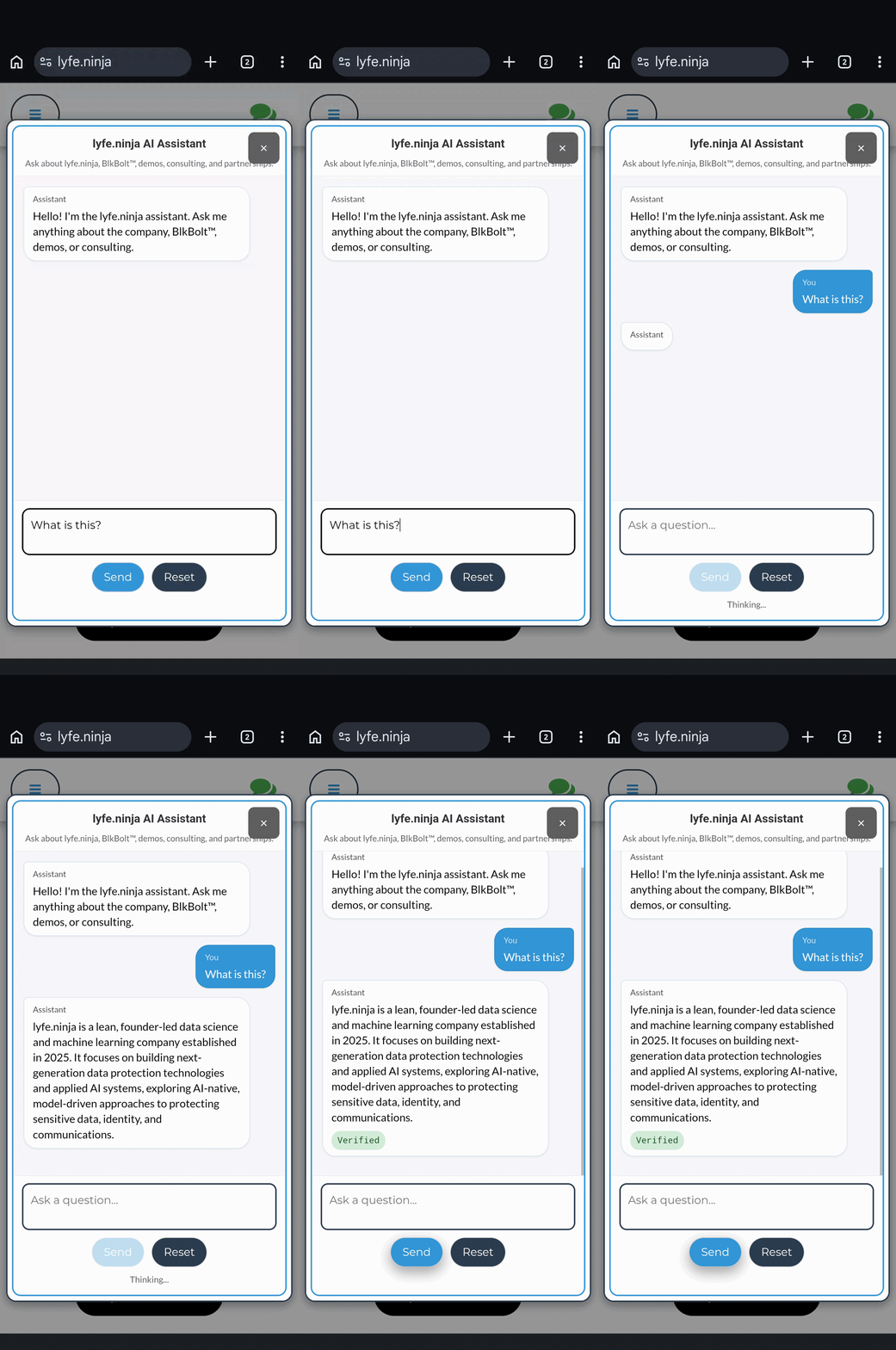
Every assistant response is now signed before it is delivered to the user. Verification occurs independently using the same services and libraries that external developers will eventually have access to.
This integration has been invaluable. It allows us to test the platform under real-world conditions, validate our developer experience, and identify improvements before broader availability.
More importantly, it helps ensure we are holding ourselves to the same standard we expect from others. If we believe AI-generated content should be verifiable, then our own AI systems should be verifiable too.
The integration currently uses:
- Our production signing and verification service
- The BlkSeal Python SDK
- Browser-side JavaScript helpers
- Verification UI components and styling helpers
This integration demonstrates how BlkSeal can be incorporated directly into an existing AI application, with signing occurring at generation time and verification happening independently in the browser.
Check it out by clicking the chat icon in the top right. Try tampering with the AI-generated content using your browser dev tools and see what happens.
Stay tuned…